
Journal
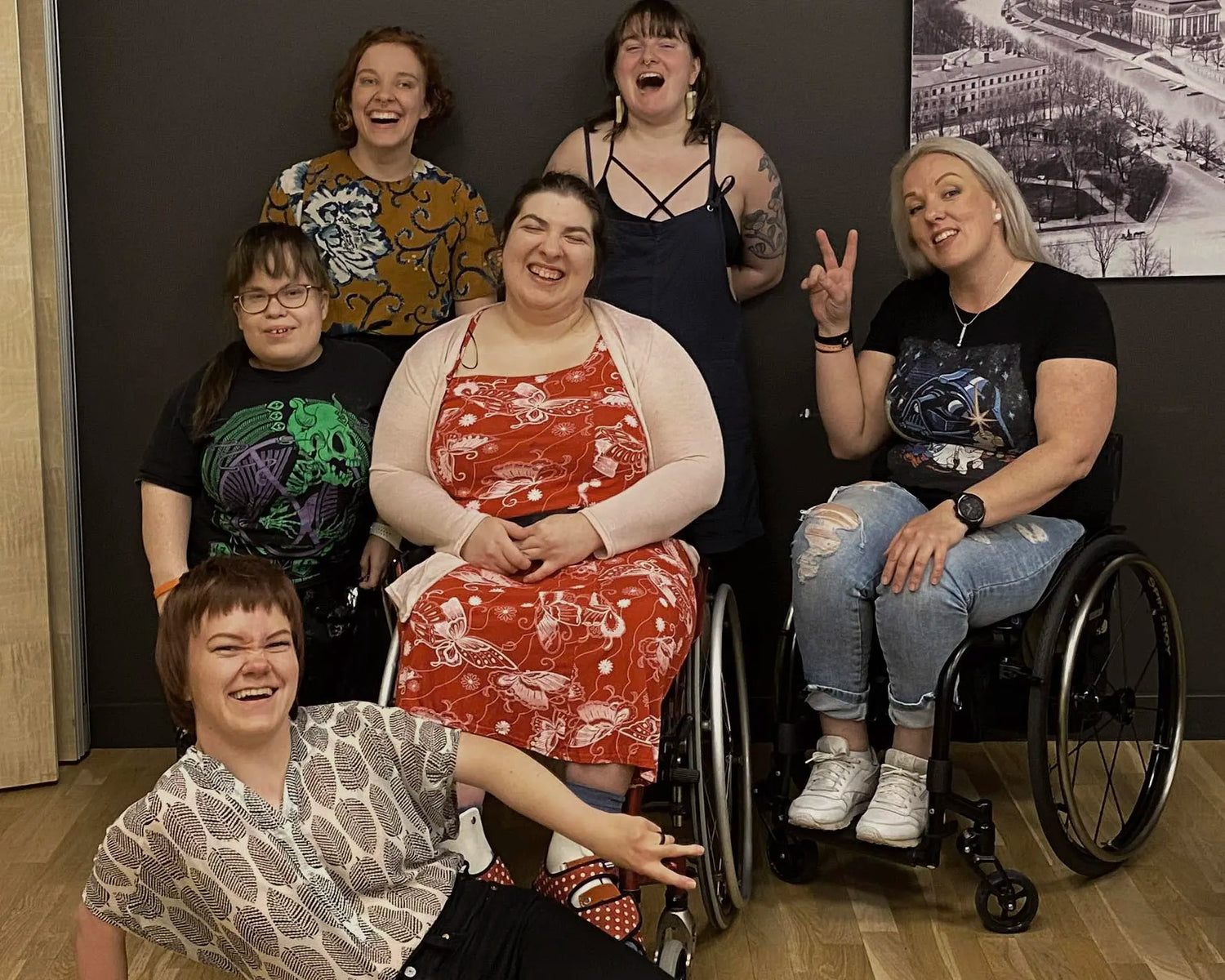
Three important voices on minority rights
"A disabled person doesn't have to be happy and grateful"
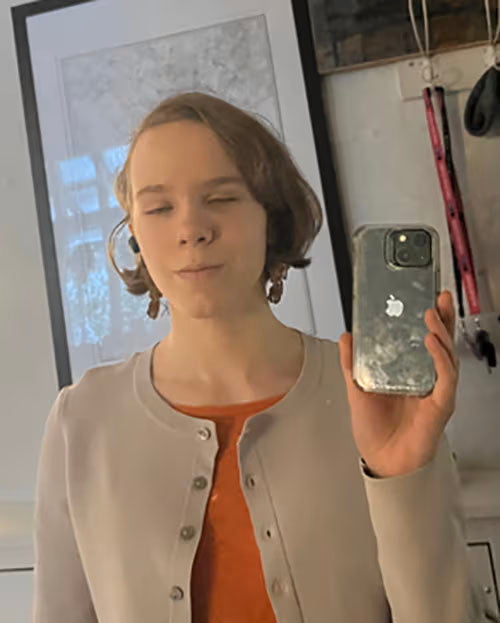
Ronja Hampf, 16, high school student
I’ve written sports-related interviews for the Vammaiset tytöt media and taken part in the site’s Zoom hangouts. They’re really nice and relaxed peer meetings. There, others understand when we talk about things like discrimination against disabled people or the myth of the cheerful and grateful disabled person.
For me, that myth shows up in how I’ve always been a high achiever. I’m often underestimated because I’m perceived as a girl and I’m blind. I’ve heard a lot of: “Can you do that?”, “Are you sure you know how?”, “Will you manage?” I’ve wanted to prove that I can. I also haven’t wanted to show difficult emotions, because people find it easier to accept someone who’s cheerful. I became aware of this when I was 14 and started to unpack it with my friends.
School pressure has eased now, because I also have a goal-oriented swimming career. I’ve always done well in school and I don’t necessarily need to study a lot to absorb things. My approach to achievement has become more relaxed.
Ronja Hampf hopes that people would always be seen simply as human beings—not through the lens of minority status. “Whether you’re disabled, gay, transgender, or anything else, in the end you’re just human.”
There are discriminatory structures in my schooling. My school transport is arranged through Helsinki Matkapalvelu, and they’re constantly late. This week I was at school four days, and on three of those I arrived late. Another issue is that my parents have to act as my assistant’s employers. If the assistant gets sick, we don’t get a substitute.
School materials are also poorly accessible for me. My assistant and some of my teachers convert materials into Word documents, and I can get books from the Celia library—but they take a long time to produce. I also can’t take exams on the Abitti platform, because it blocks my screen reader.
I’d like to swim at the 2028 Paralympics in Los Angeles. I’d also like to study law and make a difference. I want to influence how disabled people are treated, promote equality in general, and raise awareness. For example, hardly anyone knows anything about parasports, which is also linked to the visibility of disabled people in the media.
If parasports were more visible in the media, maybe it wouldn’t be such a surprise to see a disabled person in a decision-making position.
“A wheelchair doesn’t mean you’re incapable”
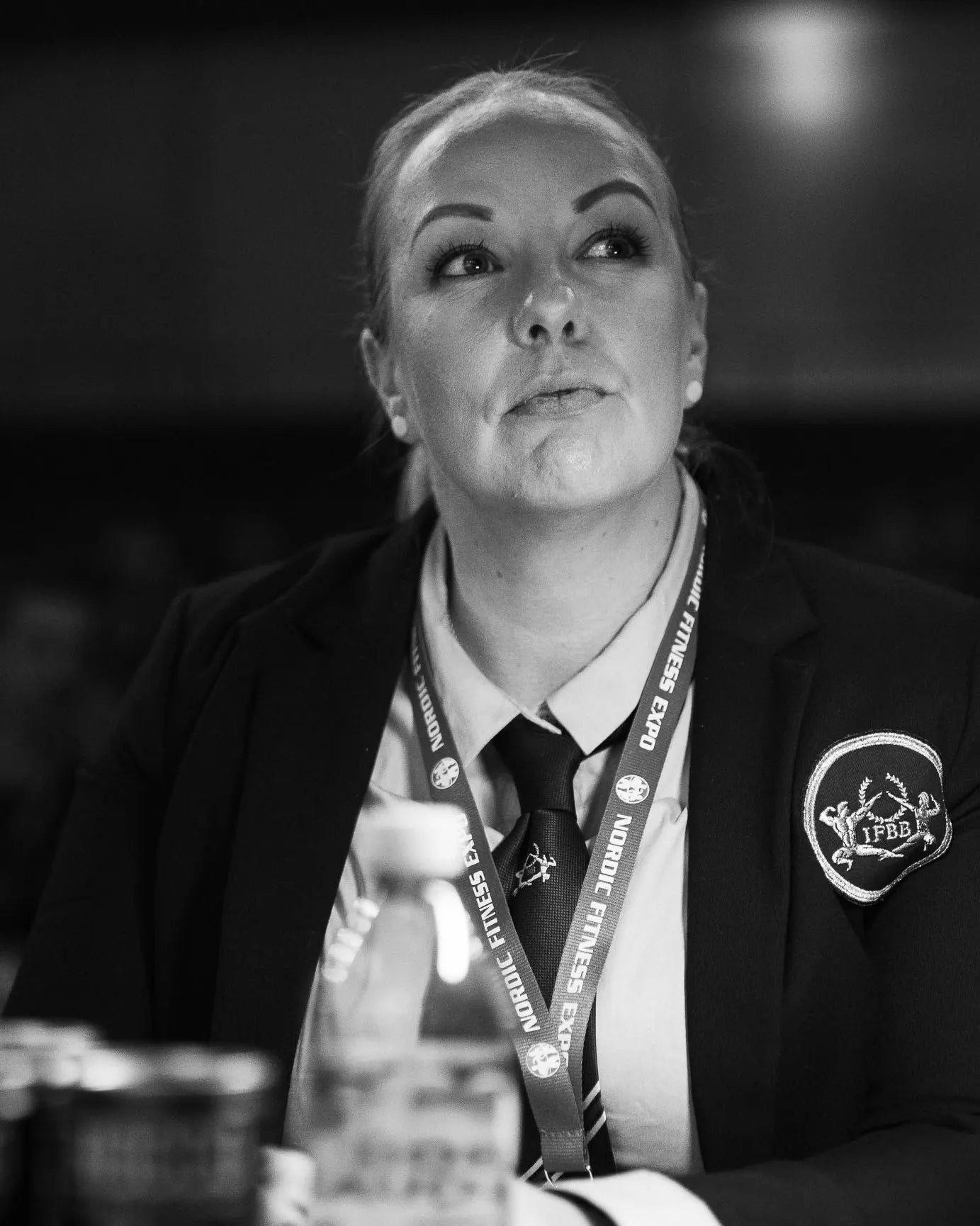
Anni Täckman, 41, Project Manager at Rusetti ry (which runs Vammaiset tytöt media), Chair of the Council of the Finnish Association of People with Physical Disabilities
On the Vammaisettytöt.fi platform, disabled girls and young women get to create the kind of media they themselves want to see. We’ve also organized remote camps and hold monthly Zoom meetings with young people, where they can meet in a safe space. Sometimes the meetings have themes—once we discussed inspiration porn.
Inspiration porn is something we disabled people absolutely hate. It’s when people approach us through pity. If I go to a store or a concert in a wheelchair, someone might say, “It’s so wonderful that you came out too.” Where exactly am I supposed to be?
A few years ago, someone missing limbs gave a talk at Slush, and people posted on social media about how amazing and inspiring it was that he was speaking. But did anyone actually listen to what he said? It’s not his job to give speeches just so non-disabled people can feel superior.
Anni Täckman hopes for more attention to accessibility in hobbies: “We have many young activists who would love to take part in different events—but they turn out not to be accessible.”
Because of my spinal cord injury, I mainly use a manual wheelchair, and I have extensive experience with prejudice and discrimination. I constantly have to fight to be recognized as a professional—not just someone with lived experience. Having a wheelchair doesn’t mean you’re incapable. I’m a professional, an influencer, and a decision-maker, and I hold several positions of trust.
We talk about the garden gnome syndrome: disabled women are often seen as a colorless, tasteless, genderless mass—not even as sexual beings. It’s about society’s attitudes and prejudices toward disabled people.
Violence against disabled women—and its many forms—is a serious issue of its own. The perpetrator can be a relative, an assistant, a teacher, or even a healthcare or social services professional. We are in a particularly vulnerable position because we rely on help and services in our daily lives.
“Poor employment among disabled people is due to attitudes”
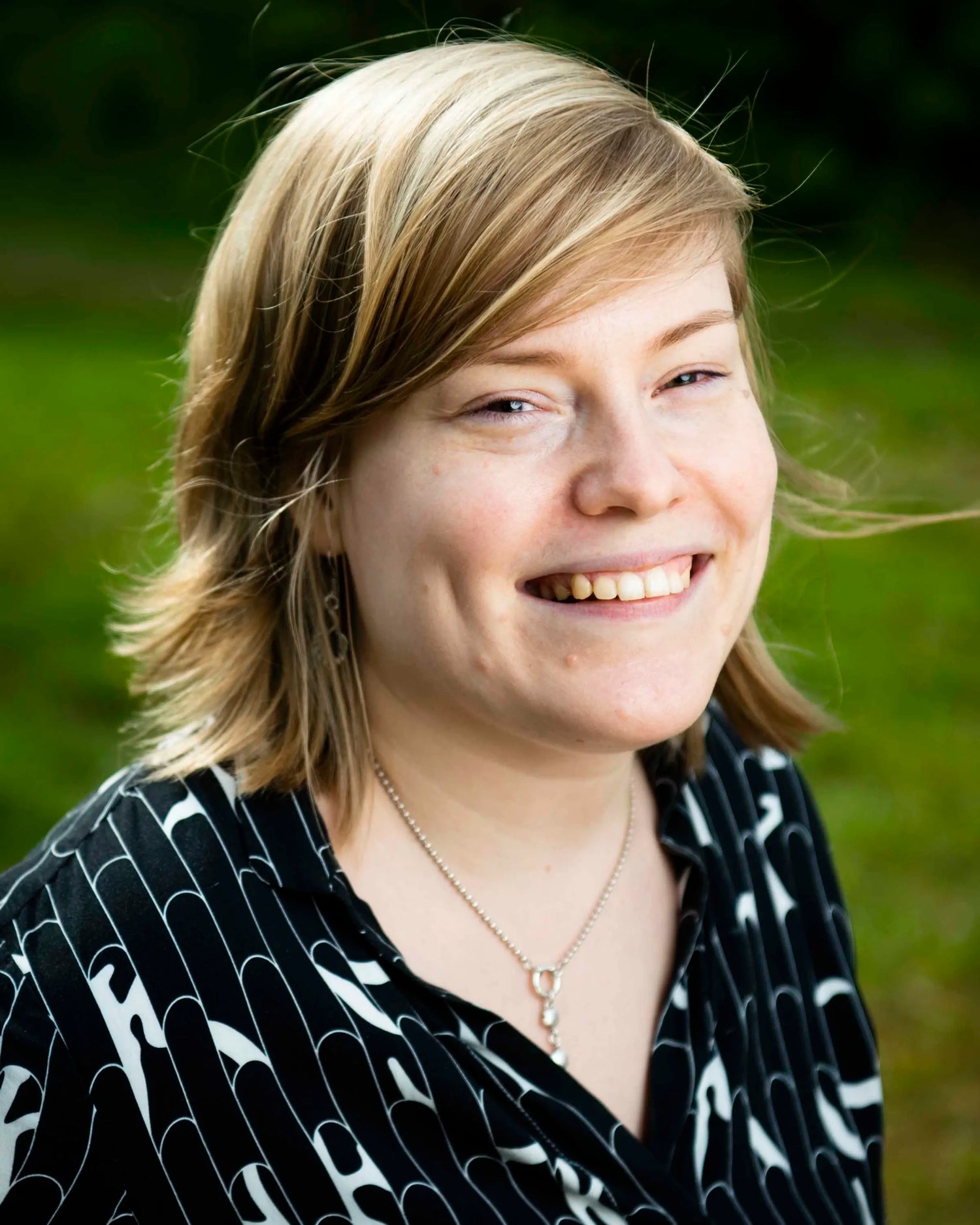
Sanni Purhonen – poet, creative writing teacher, journalist, and spokesperson for Kynnys ry, a human rights organization for disabled people
I have a CP injury caused during birth. I use a wheelchair or a walker, and the disability also affects the fine motor skills in my hands. But more than that, it’s society’s twisted attitudes toward disabled people that have the biggest impact.
According to rough estimates, only about 20 percent of working-age disabled people are employed. I’m a work-oriented person, so this topic is close to my heart. Disabled people are underemployed—even when highly educated. It’s an attitudinal issue: people have misconceptions about what disabled people can do.
This ties into broader questions about the place of disabled people in society: can one be a mother, have a family, travel abroad? These are the kinds of situations where attitudes become visible. People often don’t recognize their own biases. If I ask why there’s no accessible route somewhere, the answer might be: “No disabled people ever come here.”
“If there are no role models, things won’t change. Disabled people must be visible in society and involved in decision-making.”
I occasionally encounter thoughtless comments from strangers. People pity me or ask personal medical questions. Once, a woman behind me in a store said, “You’re so brave—today I won’t complain about my own life.” I’m sure she meant well, but it’s a form of uplifting through belittling.
Recently, in my work, hate speech targeting disabled people and other minorities has become more visible, along with the increasing tension in public discourse. Even Helsingin Sanomat wrote that permanent rights are a burden on society—that transport services and assistance for disabled people are expensive. Hate speech has become normalized, when even mainstream media speculate on the value of a disabled person.
But aren’t all people costly to society? Everyone should be guaranteed the basics so they can participate in building society.
I’d like to see more disabled people in public roles. Kalle Könkkölä is still the first—and only—disabled Member of Parliament we’ve ever had. If there are no role models, things won’t change. Disabled people must be visible in society and involved in decision-making.
Read Sanni Purhonen's article "From words to deeds."
Explore the Kalevala x Vammaistettytöt.fi project.
Article by: Gut Studio
ジャーナル
Designer Portrait. Paula Häiväoja.

Kalevala x Marimekko Garden (カレワラxマリメッコ ガーデン)
International Women's Day 2026
Alluring – the form of quiet confidence
The popular Kalevala x Marimekko jewelry collaboration expands
Itu collection debuts at Copenhagen Fashion Week
カレワラミューズ - ミッコ・プットネン
カレワラトレーニングセンター5年間の軌跡
カレワラミューズ メリ・ミラシュ
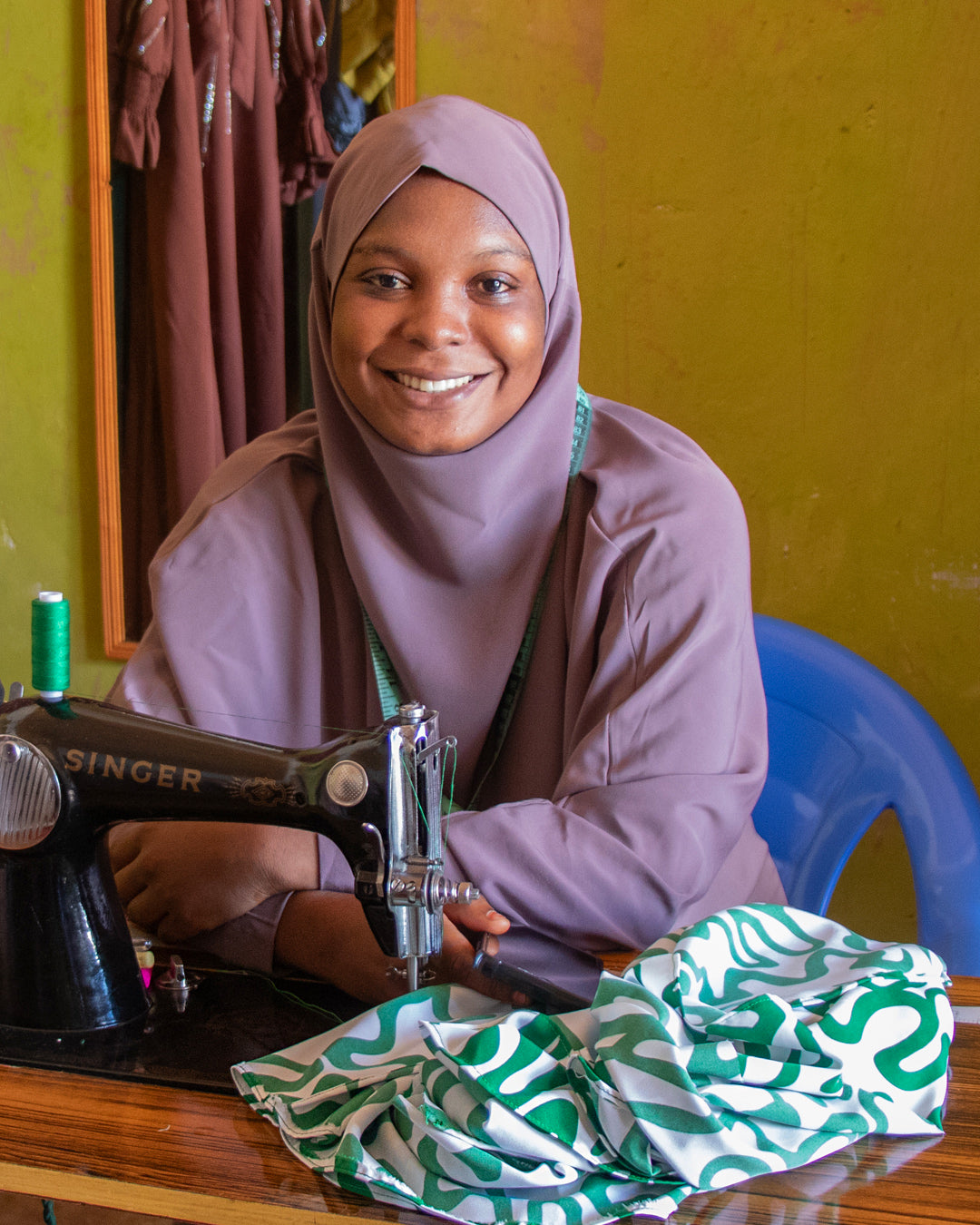
Kalevala Training Center: Education Opens Doors
The magic of symbols
RAKAS ロルフ・エクロス x カレワラ